
Key Stage 4
Unlock Your Full Potential in English
Engaging Online Lessons That Build Confidence, Critical Thinking, and Exam Success.
Get Started TodayYour Gateway to Concise Key Stage 4 Learning
Discover our concise Key Stage 4 English course, designed to equip students with targeted skills for exam success in Language and Literature. Focused on exam board-specific techniques, our sessions teach students to analyze texts closely, use subject-specific vocabulary, understand language and structure, and evaluate effectiveness—ensuring confidence and mastery in both fiction and non-fiction writing. Prepare your child with practical tools and focused strategies that align with AQA and Edexcel standards, helping them excel on every exam question and unlock their full potential in English.


Harder Concepts Broken Down
The harder concepts get broken into easy to explain segments and explained in detail. Eg: Detailing in paragraphs - what to look for - highlight it.

Expert knowledge
Designed by teachers with years of expertise in the fields of both English and Literacy. The lessons are designed to be straighforward to follow, with full help and expertise in mind.

Opportunity to Soar
Extension opportunities in every lesson to build up greater knowledge in terms of the higher mark features: knowledge of the context the text was written in, wider viewing of text from start to end, discourse markers, writer profiles etc.
Breaking Down Key Stage 4
Everything in Key Stage 4 is based around the two main elements, Language and Literature. The sessions run within the course do have a distinctly AQA or Edexcel feel to them. If you are doing any other exam board, the skills that get taught are absolutely relevant ,but won’t help in terms of how you address every single question within an exam paper.
Let's break down what we cover for both the language papers and the literature.
Language
Students are taught to look closely at a text, establish meaning and draw out what is in the text, that would address the question. They are taught to use vocabulary that shows they have a good understanding of English. (Subject Specific Vocabulary) they are taught how language and structure get used within a text and what their intended effect is. (including writer intention). They also use their knowledge of how a text has been written to show they can evaluate its effectiveness. Language Paper 1 is analysis and writing of fiction. Paper 2 is analysis and writing of non fiction. Paper 2 additionally asks students to compare two texts and say whether they are similar or different, and if so, how.
Literature
Working more towards the the AQA and Edexcel style exams, students need to learn three key texts. One is Shakespeare, one is a modern text or play and one is a Victorian text. The most commonly used three are Macbeth, Christmas Carol or Jekyll and Hyde and An Inspector calls. There is also a section where students must learn all about fifteen poems, set in an Anthology, looking at how these poems use language and structural features to convey the poet’s overall, intended meaning. The final part, is learning to read and analyse ‘unseen’ poems, ones which students will not know in advance, but will use the same skills for analysing, as they would have done for the Anthology.
Check it out for yourselves
Here is a short clip of our online tutoring for Key Stage 4, to give you an example of how easy it is to follow these sessions.
Tutoring made fun and affordable
With our detailed session slides and accessible teaching, this is the first step to gaining confidence in English.
Get Key Stage 4 Sorted TodayHow Our Course Works
Before a student starts, they can decide which topic they would like to focus on. Each taught session has a high-level set of slides to follow (much like students would have in a class), and these topics are clearly labelled ‘Woman in Black - session 6’ or ‘Macbeth - Act 1 scene 3 - ambition’.
Each session also has an accompanying video to play alongside the slides, where each stage of the learning is broken down. Like an in-person tutoring session, there are exercises that build up to either a greater knowledge, or an opportunity to write creatively, or a chance to create analytical paragraphs from scratch.
There are moments to pause, before moving to the next stage, or suggestions of what could be returned to, if need be. The challenge is always that there isn’t a real person in front to keep a check on the learning. This is why, at most stages, there is a starter sentence all the way up to a full exemplar paragraph, to show how it can be written and structured.
The final exemplar is colour-coded and labelled, so that students can see what should have been included, even showing (in GCSE) what would have fulfilled which GCSE Assessment Objective.
Students are encouraged to colour-code their own work, then see what might need improving, effectively ‘marking’ and improving their own work. Here, depending on the student’s confidence, a second set of eyes is encouraged to look over work and assess what could be improved.
The Texts We Cover

The sessions give the students an understanding of the text as a whole (encouraging individual reading of the text) while also teaching sessions wholly dedicated to close study of the key characters, how we know this from the text, (finding key quotes and what they mean) and how they relate to other characters. Many sessions also explore the key themes such as the supernatural, ambition, gender roles and expectations, the Divine Right of Kings and violence and betrayal. Macbeth is also considered as its medium – a play within wider Jacobean society, the role of women and the role of King James in the forming of this play.
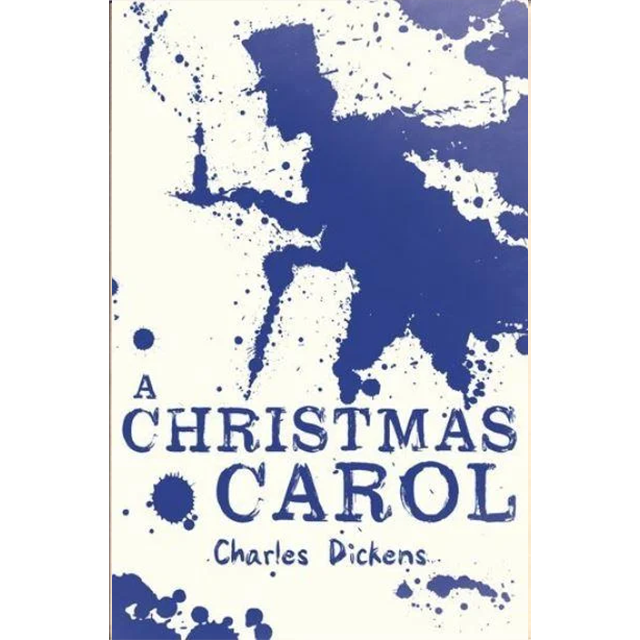
The sessions aim to give the students an experience of this wonderful Victorian text. Students will read independently, alongside the sessions which focus on the key characters and how they each relate to one another. The main themes and ideas of Christmas Carol, which include: poverty/wealth, family, redemption, fear and Christmas. All these are taught within the context of writing, including the social injustice, poverty and its effects, Dickens’s own experience with debt and poverty, and the contemporary thinking on poverty, Malthus’s views on population, the ‘undeserving poor’ and the poor law.
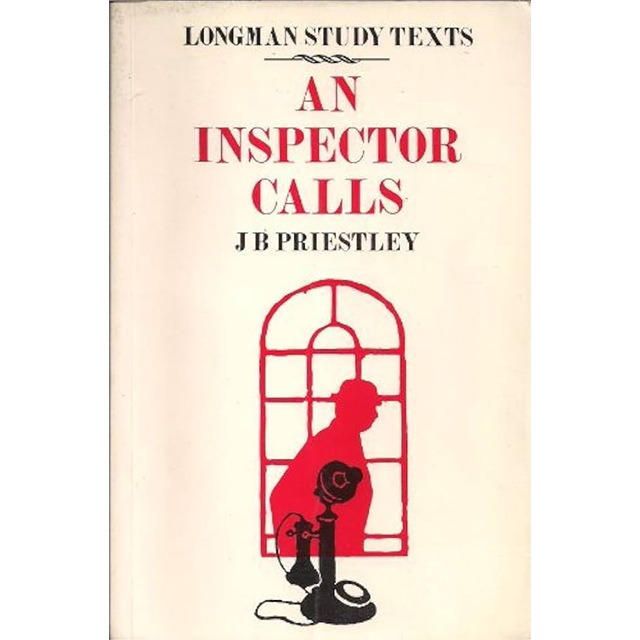
The sessions taught here, look at each of the characters within the play: the Inspector, Mr and Mrs Birling, Sheila, Eric and Gerald. In addition, the key themes of social injustice/ poverty, guilt/ responsibility, gender roles and generational divide within the family. The whole text is covered, including the key scenes that illuminate the characters or issues. A wider, historical perspective is also used. Considering the time in which the play was written, and the intended effect on the audience by the writer, JB Priestley.
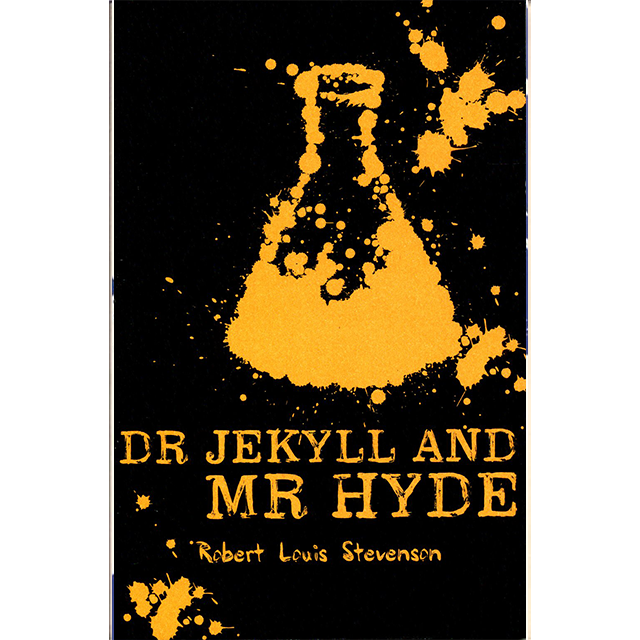
The novel has many interesting characters within it, including of course, Dr Jekyll and Edward Hyde, but also, Utterson and Lanyon, who are key to the investigation of the mystery within the plot. Here, the themes that will be studied are violence, the duality of man, the conflict between good and evil, and concerns about scientific advancement going too far. All of this is placed within the social context of Victorian London, with all the religious and social pressure to maintain reputation and moral ‘uprightness’.
Key Stage 4
£300
You will receive
- Access to the full Key Stage 4 library of resources, including
- 56 Unique video lessons
- 56 Accompanying handouts
- Support via email
Cut the High Costs of Tutoring Today
An hour of a tutor’s time is now around £40. For £300 per year, you can have access to a whole GCSE course (or KS3 year’s worth of content). This includes sessions to teach both the Language papers, and all the key texts that get taught within Literature. Language sessions address the skills needed to structure paragraphs, addressing the exam questions and how to develop the skills needed for Creative or Transactional Writing. For Literature, it addresses the major texts taught, addressing the usual focus of study, ie, looking closely at characters, how they relate to each other, and delving into the main themes or issues that the text raises, and the context that this text was written in.